Carnegie Hall. Carnegie Mellon University. The Carnegie Corporation.
I’d heard the name my entire life. It was everywhere — on buildings, on diplomas, on the sides of concert halls. But I couldn’t have told you who he was. The name had become so large it had stopped belonging to a person.
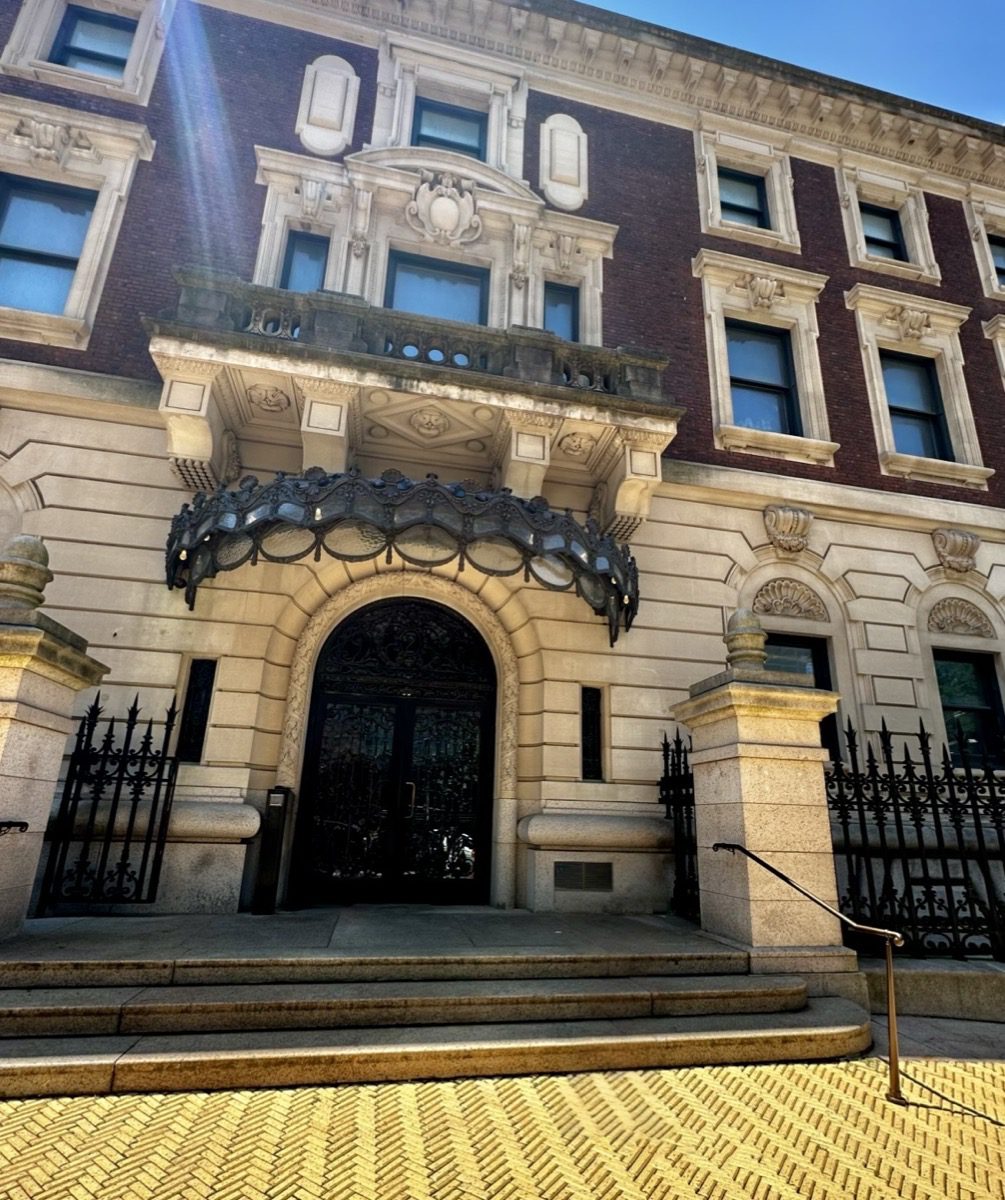
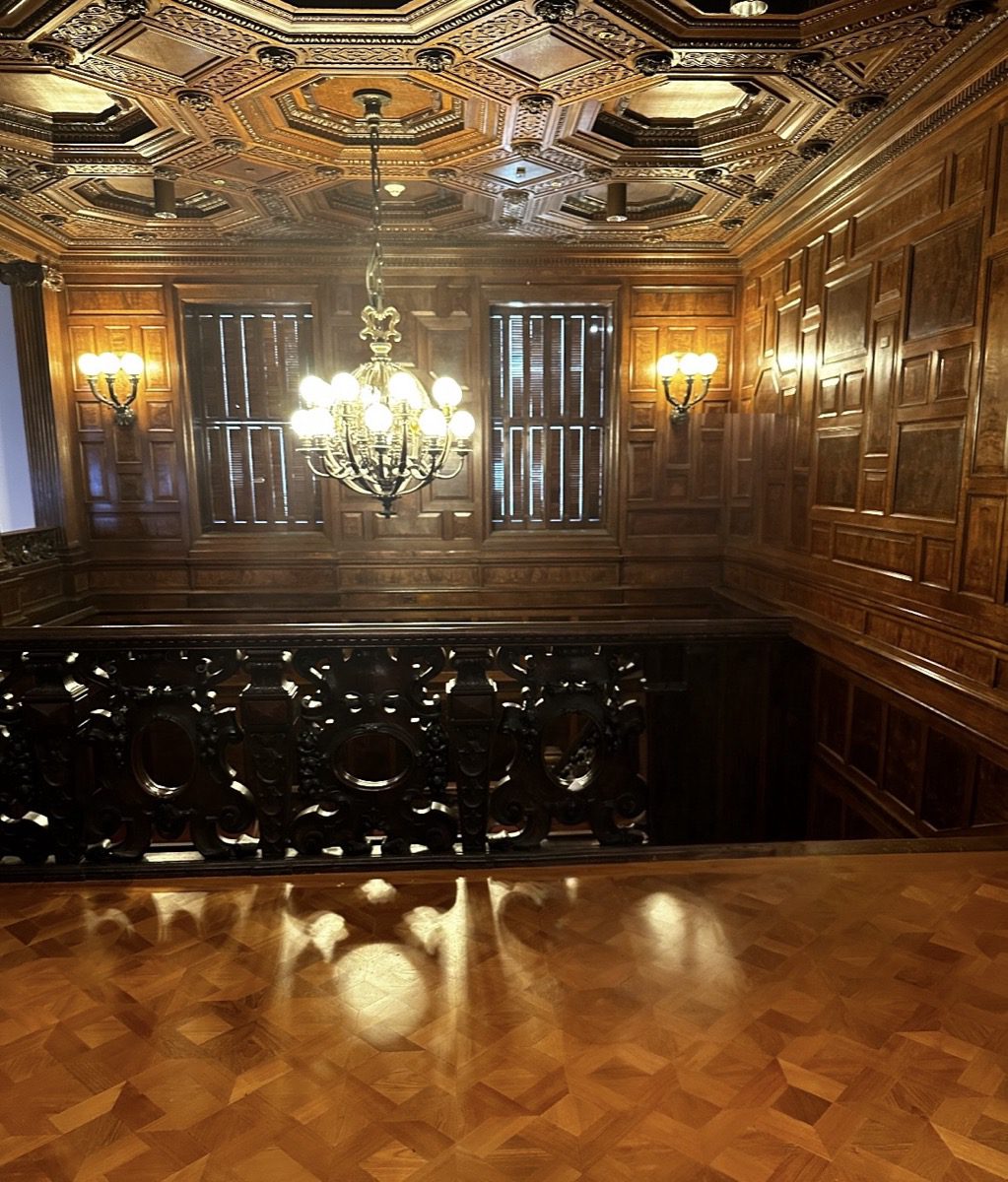
I walked in without knowing what it was. Museum Mile does that to you. There’s always an open door. Inside, the light dropped immediately. Dark wood paneling ran floor to ceiling — panels, moldings, a heavy carved banister, all the same shade of brown, all the same weight. It felt less like a museum and more like somewhere someone had actually lived.
It was. Andrew Carnegie died here.
So I went looking. Who was this man whose name was on everything?
The Beginning
Dunfermline, Scotland, 1835. His father was a weaver. The Industrial Revolution arrived, and the loom became obsolete, and the family had nothing. In 1848, when Andrew was thirteen, they borrowed money and sailed for America.
Pittsburgh. A cotton mill. Twelve hours a day, six days a week, $1.20.
That’s where it started.
He became a telegraph messenger, running dispatches across Pittsburgh until he had the city’s geography memorized — every street, every name, every face that mattered. He wasn’t just delivering messages. He was studying. He moved to telegraph operator, then to the Pennsylvania Railroad, then to managing Union rail and communications during the Civil War.
After the war, he noticed something. Wooden bridges. They burned, they rotted, they washed out in floods, and every few years someone built them again. Across the entire country, the same cycle. He saw what wasn’t there yet: iron. Steel. Something that didn’t rot.
Carnegie Steel became the largest steel producer in America — cheaper, faster, more ruthless than anyone else. Bridges, railroads, skyscrapers — the country was building itself at full speed and Carnegie was at the exact center of it. In 1901, J.P. Morgan came to him with an offer: $480 million. Carnegie sold. U.S. Steel was formed — the first billion-dollar corporation in history.
He was sixty-five. He retired.
Homestead
But there is 1892.
Homestead, Pennsylvania. Carnegie Steel. The workers went on strike — wages had been cut, and they refused. The company hired armed Pinkerton agents. Ten men died: seven workers, three Pinkerton agents. The Pennsylvania governor sent in the state militia. The union was broken. The workers came back at lower pay.
Carnegie was in Scotland. He said he hadn’t given the order. But it was his company, his managers, his decision to put Frick in charge.
The following year, he donated a library to Pittsburgh. For the workers, he said.
He later wrote that Homestead was the saddest episode of his life.
Colonel Anderson
There was something Carnegie carried from those Pittsburgh years that never left him.
A man named Colonel Anderson had opened his personal library to working boys every Saturday. Free. No application, no fee. Carnegie walked in and read. That was it. That was the whole story.
He later wrote that Colonel Anderson had made him.
So he built libraries. More than 2,500 of them, across the world. Carnegie Hall. Carnegie Mellon. Foundations, endowments, pension funds for teachers. Over eighteen years, he gave away roughly $350 million — close to five billion dollars today.
The man who dies rich dies disgraced.
This from a man who started at $1.20 a week.
The Conservatory
Further inside the mansion, I found the conservatory.
Glass dome. Green iron framework. Windows from floor to ceiling, the garden visible on all sides. Carnegie had it designed into the house when it was built in 1902. Now there are cushions along the window ledges. People sit and lean and look out at 91st Street.
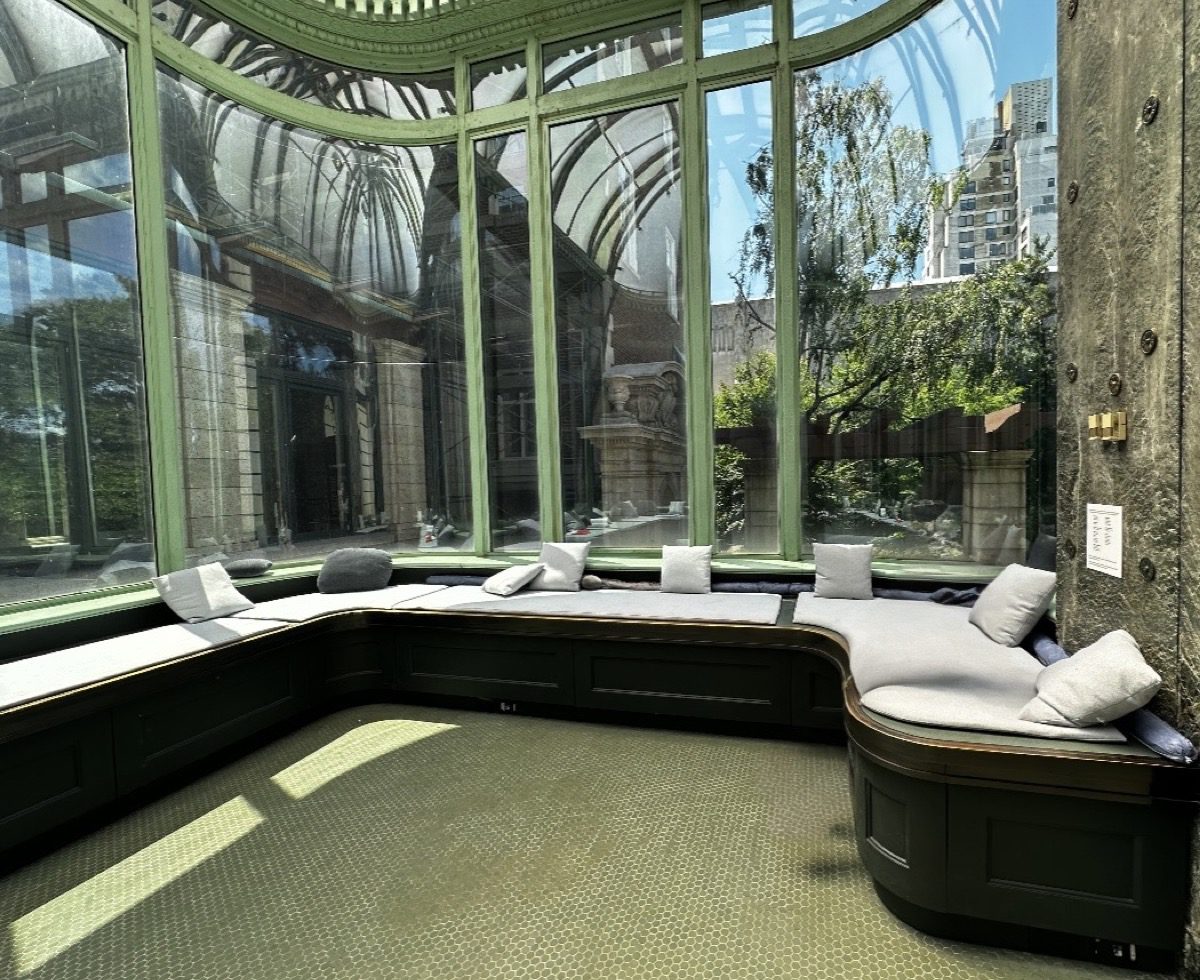
Carnegie spent his last years in these rooms. He died in 1919, in Massachusetts, but this was his home — the place he built after selling the company, after the libraries were built, after the war he tried to stop and couldn’t.
I still don’t entirely know what to make of him.
He was the son of a man who lost everything to industrial progress, and he became industrial progress. He wrote passionately about the dignity of workers and crushed a union without blinking. He gave away more money than almost anyone in history, and it doesn’t cancel what happened at Homestead, and yet the libraries are still standing.
The same man did all of it.
Carnegie left his wife and daughter a house and a modest trust. Nothing reached his grandchildren. This was intentional. He believed inherited wealth was a waste — that the poor had an advantage over the rich because necessity sharpened them in ways comfort never could. His great-grandson wrote online, years later: “I go to work every day. And I enjoy it.”
2 East 91st Street at Fifth Avenue · Subway: 4/5/6 to 86th St
Thursday – Monday, 10am – 6pm · Closed Tuesday & Wednesday
Admission $18 · Seniors & students $9 · Under 18 free · Pay-what-you-wish Saturday 6–9pm
Hours and admission subject to change — verify at cooperhewitt.org before your visit.
Leave a Reply