The Money
The plaque is small.
Rockefeller Center plaza, right beside the Christmas tree. Most people walk past without stopping. Few stand there long enough to read the name.
I stood there for a while. And one question wouldn’t leave me.
Where did all the money come from — the money that built all of this?
The Massacre
1872. Cleveland.
In six weeks, twenty-two competitors disappeared. Not a shot fired. Rockefeller had struck a secret deal with the railroads. His rivals’ shipping costs doubled. His own went down. No one could survive.
When a hesitant competitor sat across from him, Rockefeller quietly opened his ledger.
“These are our numbers. Will you join us — or kneel before them?”
History calls it the Cleveland Massacre. That was how ninety percent of America’s oil market ended up in one man’s hands.
The Verdict
1911. The Supreme Court drew its sword.
Break Standard Oil into thirty-four companies. The monopoly monster would be executed.
Rockefeller heard the news on a golf course. He didn’t flinch. He quietly made some calls. Buy the stock. Now.
The shares of all thirty-four companies surged. He still held twenty-five percent of each. His fortune went from $300 million to $900 million. The day he lost in court was the day he became the wealthiest person in human history.
ExxonMobil. Chevron. ConocoPhillips. All of them are fragments of that executed monster.
At his peak, Rockefeller’s fortune equaled 1.5% of America’s entire GDP. In today’s terms, that’s roughly $400 billion — more than Elon Musk, more than Jeff Bezos. The title of the wealthiest private individual in human history still belongs to him. Theodore Roosevelt later joked: “Wall Street’s prayer has become — ‘O merciful Providence, grant us another dissolution.’”
The Ledger
What did he do with the money?
He funded a cure for yellow fever. He founded the University of Chicago. He endowed Spelman College, a school for Black women who had nowhere else to go. Rockefeller University still produces Nobel laureates today.
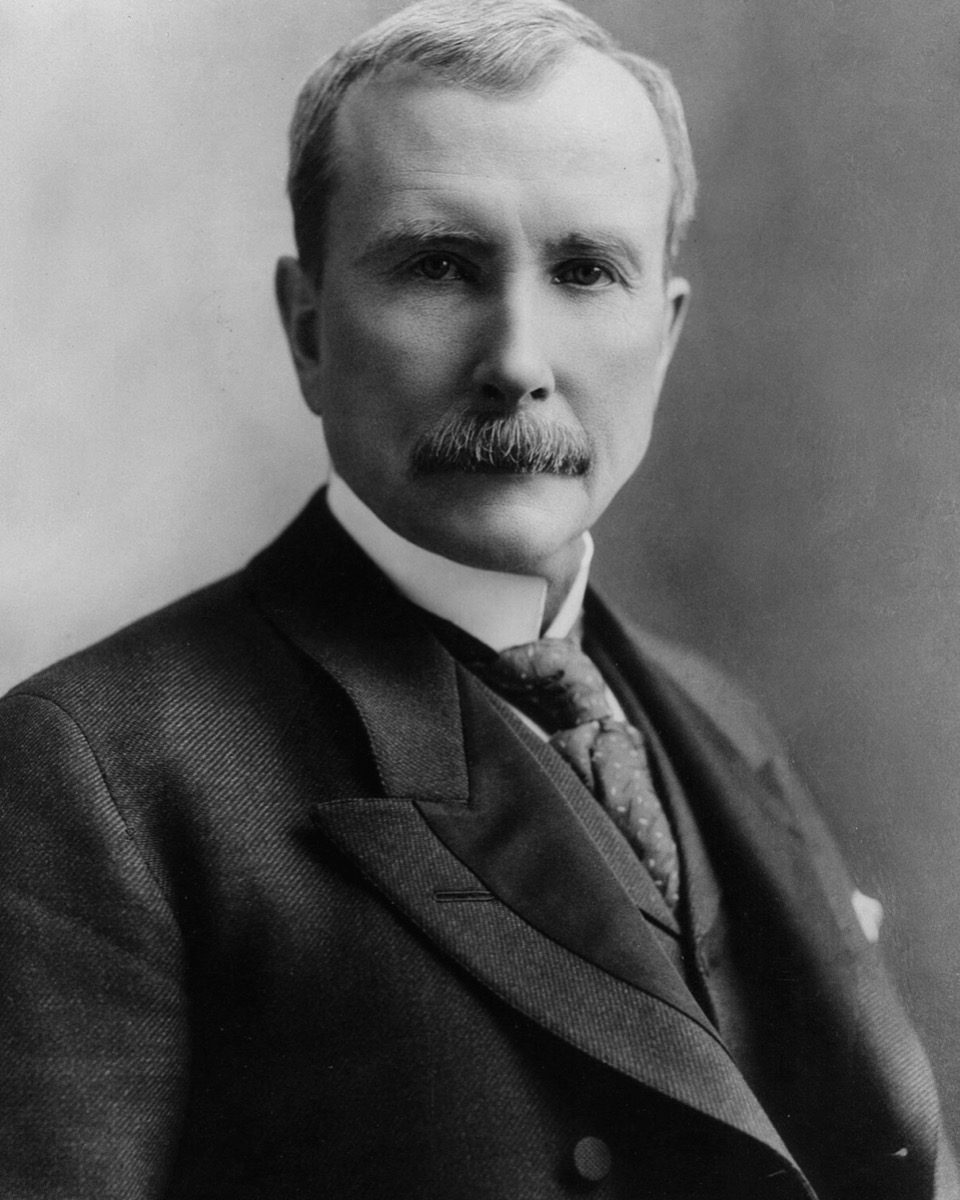
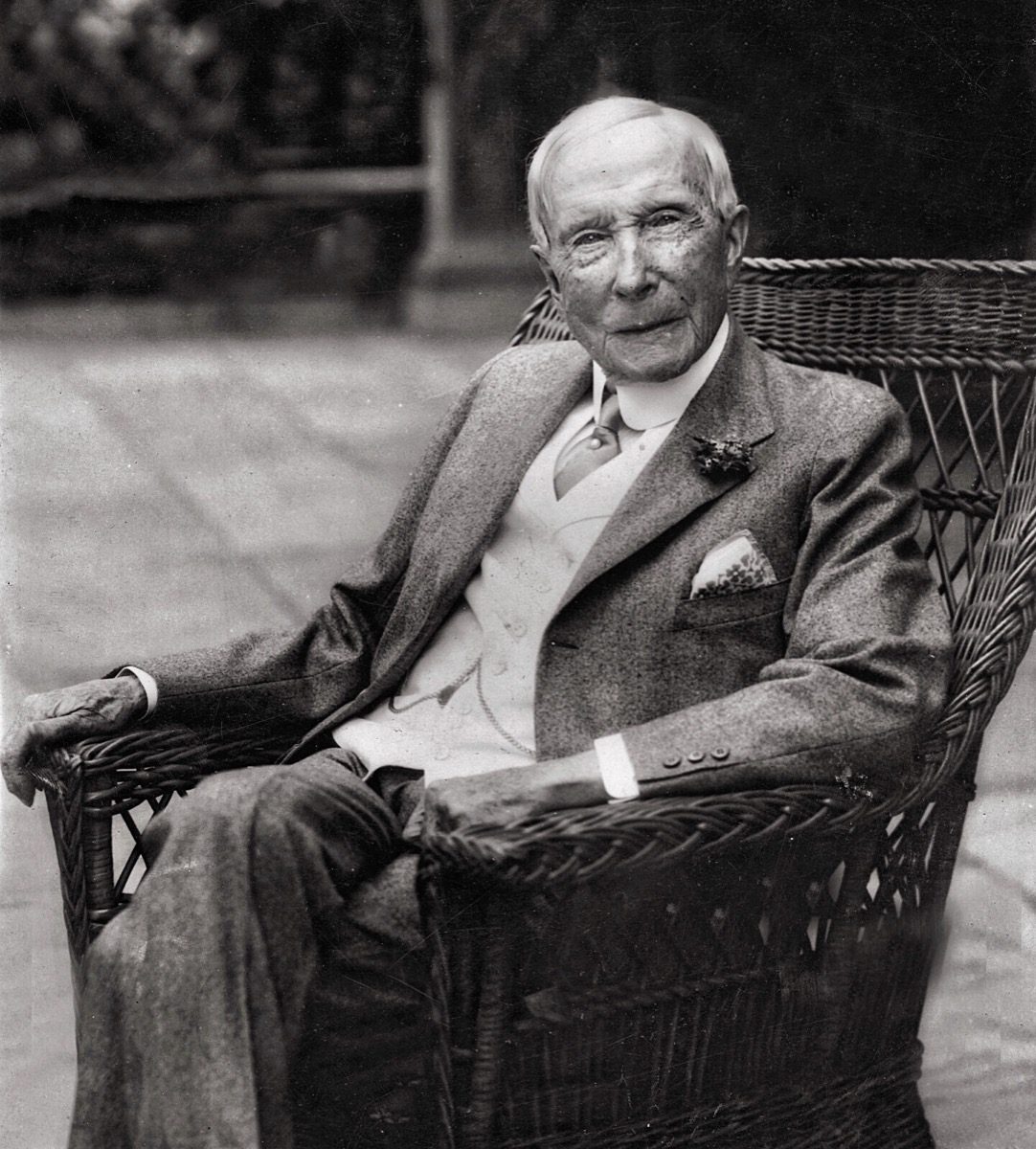
Same person.
Rockefeller never believed he had done anything wrong. He went to church every week. He handed out dimes to strangers on the street. He believed the money he had made was entrusted to him by God. The money wrung from those he had crushed went on to save lives their descendants would never trace back to him. He stood before that contradiction until the end — and never wavered.
The Bill
2016. Rockefeller’s heirs sold every share of ExxonMobil they held.
In their statement, they called the company’s conduct “morally reprehensible” — ExxonMobil had known about the dangers of climate change for decades, they said, and had spent those decades funding campaigns to deny it. ExxonMobil fired back, calling the heirs’ actions “a conspiracy against us.”
The descendants of the founder stood against the company he built.
The lights of the plaza burn as bright as ever tonight.
Standing beneath them, it’s worth asking —
What exactly is the price of something this beautiful?
Leave a Reply